
Sale
$30.00
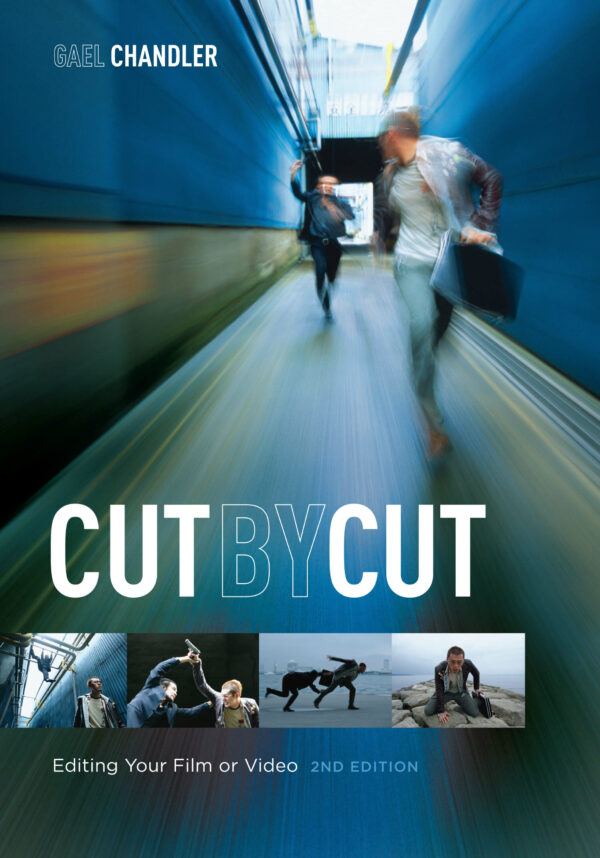
Cut by Cut: Editing your Film or Video (2nd Edition)
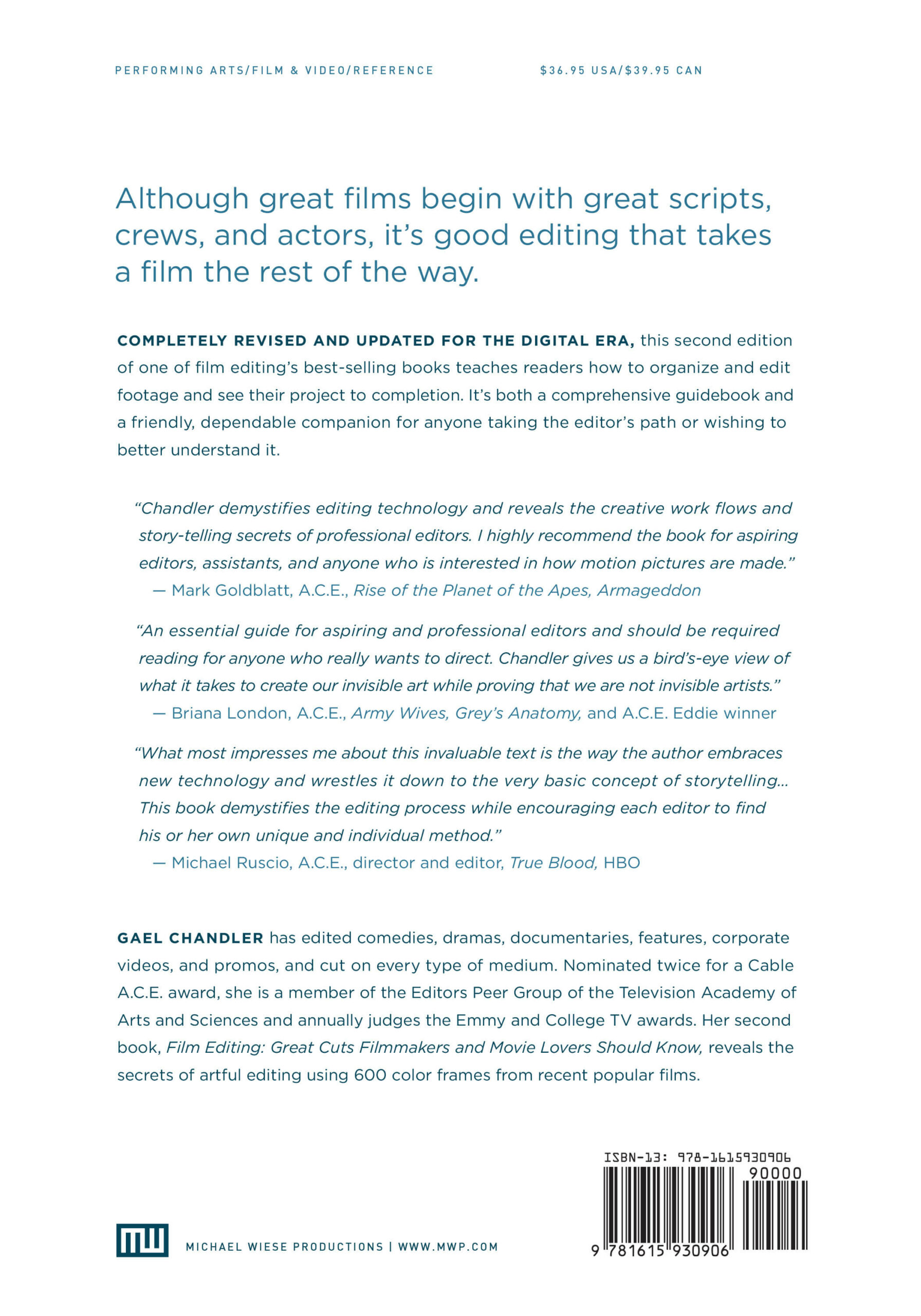
Although great films begin with great scripts, crews, and actors, it’s good editing that takes a film the rest of the way.
COMPLETELY REVISED AND UPDATED FOR THE DIGITAL ERA, this second edition of one of film editing’s best-selling books teaches readers how to organize and edit footage and see their project to completion. It’s both a comprehensive guidebook and a friendly, dependable companion for anyone taking the editor’s path or wishing to better understand it.
Learn how the skilled editor turns raw footage into polished art for film, television or web. With practical project guidelines and advice on organizing digital and film cutting rooms, How to Edit Your Film or Video de-mystifies action, montage, dialogue editing, SFX and explains sound/music editing and mixing.
With over 25 information-packed tables and forms, this guide includes an up-to-date glossary, an editor’s resource guide and a section on how to land that elusive editing job.
| sample_file | https://mwpmails.s3.amazonaws.com/pdf_samples/88783279-Cuy-by-Cut-2nd-edition-sample-PDF.pdf |
|---|
Meet The Author
Gael Chandler, based in Los Angeles, was nominated twice for a Cable Emmy for comedy editing and has trained hundreds of professionals on digital editing systems and students on editing systems, practices and theory.
She has edited comedies, dramas, documentaries, features, corporate videos, and promos, and cut on every type of medium: film, tape, and digital. Nominated twice for a Cable ACE award for editing a comedy series.
Additionally she has taught editing practices and history at Loyola Marymount University and California State Universities at Long Beach, Los Angeles, and Northridge, and has trained hundreds of professionals, independent filmmakers, professors, and students to operate digital editing equipment.

Reviews
There are no reviews yet.